
Your First Boxing Class in Etobicoke: What Actually Happens in the First 50 Minutes
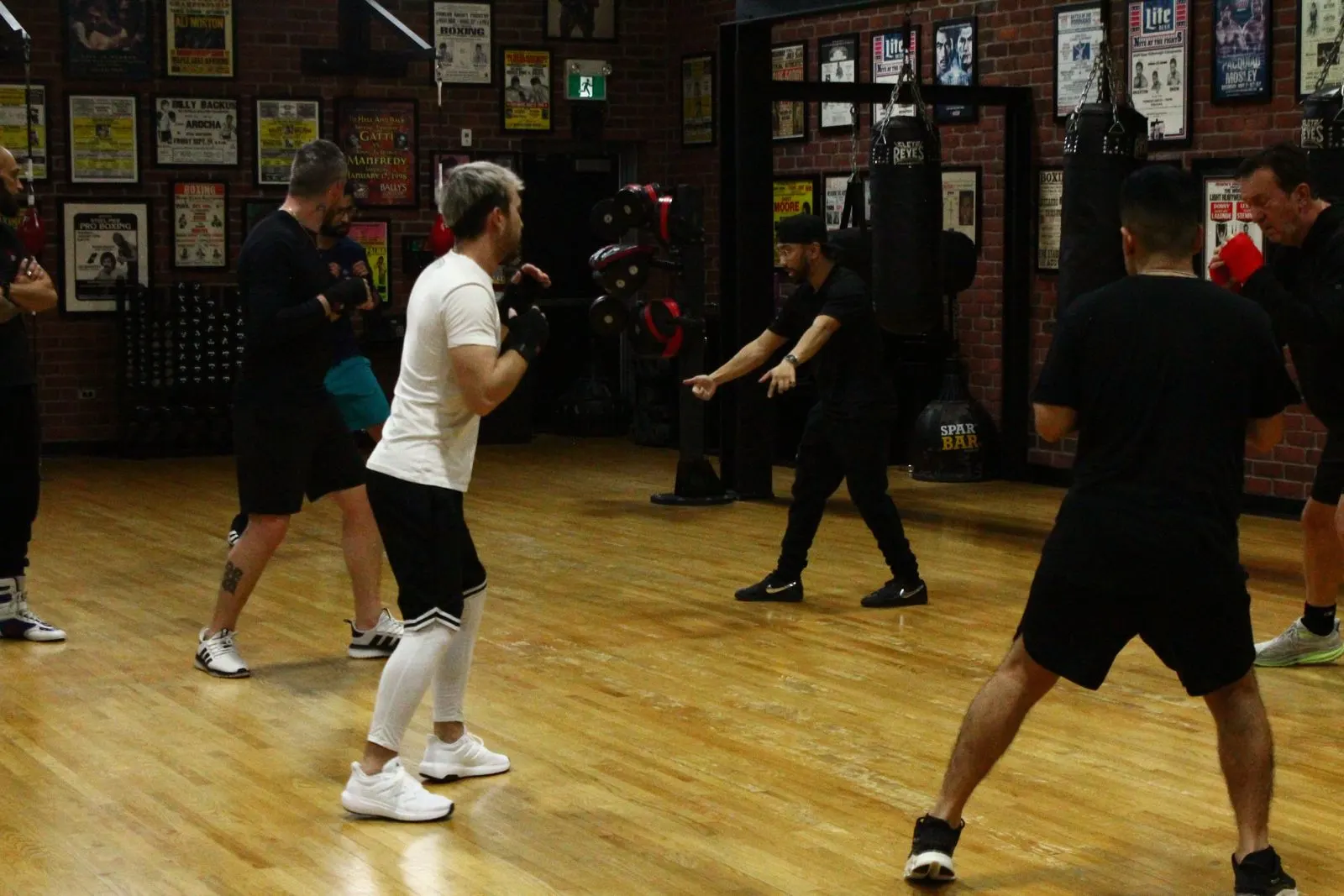
Walking into a boxing gym for the first time is intimidating, and pretending otherwise would be dishonest. The sounds are unfamiliar, everyone else seems to know what they are doing, and somewhere in the back of your mind is the worry that a coach is going to throw you into a ring on day one. This article walks you through the entire first class at West End Athletic Club in Etobicoke, all 50 minutes of it, so that when you walk through the door there is nothing left to be nervous about. Everything below describes what actually happens on the floor, not a marketing version of it.
The short answer
Your first class is a guided 50-minute group session: a warm-up, boxing stance and footwork basics, learning to throw a jab and a cross, bag work at your own pace, and a cool-down. Nobody spars. Nobody gets hit. You will be tired, you will feel slightly awkward, and you will almost certainly want to come back.
Before you arrive: what to bring and what to skip
Beginners consistently overprepare for their first class. The equipment question causes more pre-class anxiety than anything that actually happens inside the gym, so here is the honest packing list.
Bring
- A water bottle, and more than you think you need
- Athletic clothes you can move in
- Clean indoor running shoes
- A small towel
- Hand wraps if you own them, and it is fine if you do not
Skip
- Buying gloves before your first session, since the club has loaner equipment for new members
- Jewellery and watches, which catch on wraps and bags
- Any pre-workout supplement you have not trained with before
- The instinct to eat a heavy meal within two hours of class
That is the entire list. If you show up in a t-shirt and runners with a bottle of water, you are properly equipped for day one. Arrive about fifteen minutes early so there is time to say hello, get you signed in, and wrap your hands without rushing.
The first ten minutes: names, not paperwork
When you arrive, a coach will introduce themselves and ask three questions: whether you have trained before, whether you have any injuries they should know about, and what brought you in. Those answers quietly shape how they coach you for the rest of the class. Someone rehabbing a shoulder gets different cues than a former soccer player with clean joints, and a person who came in to manage stress gets a different tone than one preparing for their first amateur bout years down the road.
A coach or an experienced member will wrap your hands the first time. Hand wraps protect the twenty-seven small bones in each hand, and learning to wrap is a small ritual you will pick up within your first few visits. Then the class gathers on the floor, first names get exchanged, and the clock starts.
Minutes 10 to 25: the warm-up that tells you everything
A boxing warm-up is honest work: skipping rope or light jogging, shoulder circles, hip openers, and dynamic stretching. If you have not skipped rope since elementary school, you will trip on it, and so did every single person in the room when they started. Nobody is watching you struggle, because they are busy with their own rope.
The warm-up serves a second purpose that most first-timers only understand later. It is where the coaches read the room. They watch how each person moves, who is protecting a knee, who has explosive athleticism and no control, who has control and no confidence. By the time the technical portion starts, a good coach already knows what each new person needs.
Research backs up why the sport feels so different from treadmill cardio. A systematic review published in the journal BMC Sports Science, Medicine and Rehabilitation found that boxing-style training improves cardiovascular fitness, coordination, and balance at the same time, which is a combination very few gym activities deliver at once. You are not just burning energy; you are learning a skill while you do it, and that is precisely why the class disappears so quickly.
Minutes 25 to 40: your first technique block
This is the part people are most nervous about and it is the most methodical part of the class. Before you throw anything, you learn to stand: feet staggered, knees soft, hands up, chin down. The stance feels strange for everyone at first because it is asymmetrical, and your body has spent its whole life being symmetrical.
Then come your first two punches. The jab, a straight punch with your lead hand, and the cross, a straight punch with your rear hand that rotates your hips into it. You will throw them slowly in the air, watching yourself in the mirror, while a coach walks the line adjusting elbows and reminding everyone to breathe. There is no target yet and no pressure. The pace is deliberately unhurried, because a jab learned properly in week one saves months of bad-habit repair later.
What first-timers worry about, and what actually happens
| The worry | The reality |
|---|---|
| "I'll have to spar on day one" | Nobody spars in a beginner class. Sparring is optional, comes months later, and only ever with a coach's sign-off. |
| "I'm too out of shape to start" | Every drill scales. You work at your own pace on your own bag, and resting mid-round is normal for new people. |
| "Everyone will be twenty-five and ripped" | A typical class spans teenagers to people in their sixties, office workers to competitive amateurs. |
| "I'll look stupid" | You will look like a beginner, which is what you are, and which every person in the room once was. Boxing gyms respect people who show up. |
Minutes 40 to 50: bag work, partner drills, and the cool-down
Now you finally hit something, and it is exactly as satisfying as you hoped. You will work rounds on a heavy bag, usually three minutes of work with a minute of rest, throwing the jab and cross you just learned. The first clean thud of a properly thrown punch landing on leather is the moment most people get hooked on this sport.
Three minutes on a bag is far longer than it sounds. Your shoulders will burn in a way that surprises people who lift weights, because punching endurance is its own quality that transfers from almost nothing else. That is normal, and it improves faster than almost any other attribute in your first month.
Depending on the class, you may also do a simple partner drill, one person holding focus pads while the other throws slow combinations. It is cooperative, not competitive. The class closes with a cool-down: core work, stretching, and heart rates coming back down together. Expect to be genuinely tired in the best way. Harvard Medical School's activity tables estimate boxing-style bag training burns roughly as many calories as running at a solid pace, and your first class will make that number feel entirely believable.
Who is actually in the room with you
The image most first-timers carry into an Etobicoke boxing gym comes from the movies: hard faces, intimidating silence, someone bleeding quietly in a corner. The actual room at a class is friendlier than most commercial fitness gyms, and there is a structural reason for that. In a boxing gym, everyone in the room has had a first day, remembers it vividly, and remembers exactly who helped them through it. That memory turns into a culture where the newest person gets the most attention, not the least.
On any given evening the floor holds shift workers, students, parents who booked the class as the one part of the day that belongs to them, recreational boxers who have trained for years with no interest in competing, and a handful of competitive amateurs. The mix is the point. You are not joining a team of fighters; you are joining a room of people who train.
Words you will hear in your first class
Boxing has its own shorthand, and half the early awkwardness is just vocabulary. Here is everything a coach might say to you on day one, translated.
Jab
A straight punch with your lead hand. The first punch you learn and the one you will throw most for the rest of your boxing life.
Cross
A straight punch with your rear hand, driven by hip rotation. Your first taste of real power.
Orthodox / Southpaw
Right-handed stance and left-handed stance. A coach will help you find yours in the first five minutes.
Round
The unit of work, usually three minutes on and one minute off, marked by a bell the whole gym runs on.
Guard
Hands up protecting your face. The instruction you will hear most often, because every beginner drops it when they get tired.
Shadowboxing
Throwing punches at the air, usually facing a mirror. It looks odd from the outside and is the single most important practice tool in the sport.
What the coaches are watching for, and what they are not
New members often assume the coach is evaluating their strength or their athleticism. In a first class, coaches are watching two things only: whether you are safe, and whether you are breathing. Holding your breath while punching is the universal beginner habit, and "breathe" will be the most common word aimed in your direction.
What they are not doing is grading you. There is no tryout hiding inside a beginner class and no bar you can fail to clear. The club's beginner programming exists to build people up from zero, and a coach's success is measured by whether you come back Thursday, not by how hard you can hit on Tuesday.
They are also quietly watching effort, because effort is the one thing every level of boxer controls completely. The member who shows up twice a week and works honestly earns more respect on that floor than a talented athlete who coasts, and that culture is set from the very first class.
The first month: what changes and when
One class tells you whether you like boxing. One month tells you what it does to you. The typical arc for a brand-new member training two to three times a week looks like this.
Week 1
Everything is new and slightly overwhelming. Your shoulders ache from three-minute rounds, and the skipping rope wins most exchanges. This is the week that filters out people who wanted a shortcut, and you are not one of them because you came back.
Week 2
The stance stops feeling foreign. You wrap your own hands, badly but proudly. Rounds still burn, and you recover faster between them.
Week 3
Combinations arrive. Jab-cross-hook stops being three separate thoughts and becomes one motion. Somewhere this week you land a punch on the bag that sounds different, and you will spend the rest of the round trying to make it happen again.
Week 4
You are unrecognizable compared to day one. The rope cooperates, the warm-up no longer scares you, and you have opinions about your own jab. This is usually the week people stop saying they are trying boxing and start saying they box.
None of that requires talent. It requires showing up, which is the entire secret of this sport and the reason boxing gyms keep people long after treadmill memberships lapse.
Frequently asked questions
Do I need to be fit before I start boxing?
No, and waiting until you are "fit enough" is the most common mistake people make. The class is the thing that gets you fit. Every drill scales to the person doing it, and coaches expect brand-new members to rest more often than experienced ones.
Will I get hit in my first class?
No. Beginner classes involve zero contact to the head or body. You hit bags and pads. Sparring exists at the club for people who eventually want it, it is always optional, and it only happens after weeks of preparation and with a coach's approval.
What if I am completely uncoordinated?
Coordination is a trainable skill, not a talent you either have or lack. The jab you throw in week four will be unrecognizable compared to week one. Coaches at West End teach complete beginners every single week, and clumsy first classes are the raw material they work with every day.
Am I too old to start?
If you can climb a flight of stairs, you can take a beginner boxing class. Members in their fifties and sixties train regularly, and the intensity of every round is set by you, not by the person next to you.
How sore will I be the next day?
Moderately, mostly in your shoulders, core, and calves, which are the muscles regular gym training tends to miss. It fades within a couple of days, and it gets dramatically milder after your first few weeks.
The honest bottom line
Your first boxing class is 50 minutes of guided, structured work in which the hardest part is walking through the door. You will not spar, you will not be singled out, and you will not be the only beginner in the room. You will sweat more than you expected, learn two real punches, and find out why people who start boxing tend to stop scrolling through gym options forever.
Still deciding which striking class suits you? We compared the two side by side in boxing vs kickboxing for fitness.
West End Athletic Club
Boxing Done Right, at 283 Bering Ave in Etobicoke. Call 416-621-1234 or visit westendac.com to ask a coach directly.
Try 3 Classes for $30 →